The Chairman of the Holding Company for Water inspects the "Al-Mai" and "Saft Gadam" water treatment plants in Menoufia and affirms: Maximizing the utilization of assets and rationalizing spending is the priority of this stage.
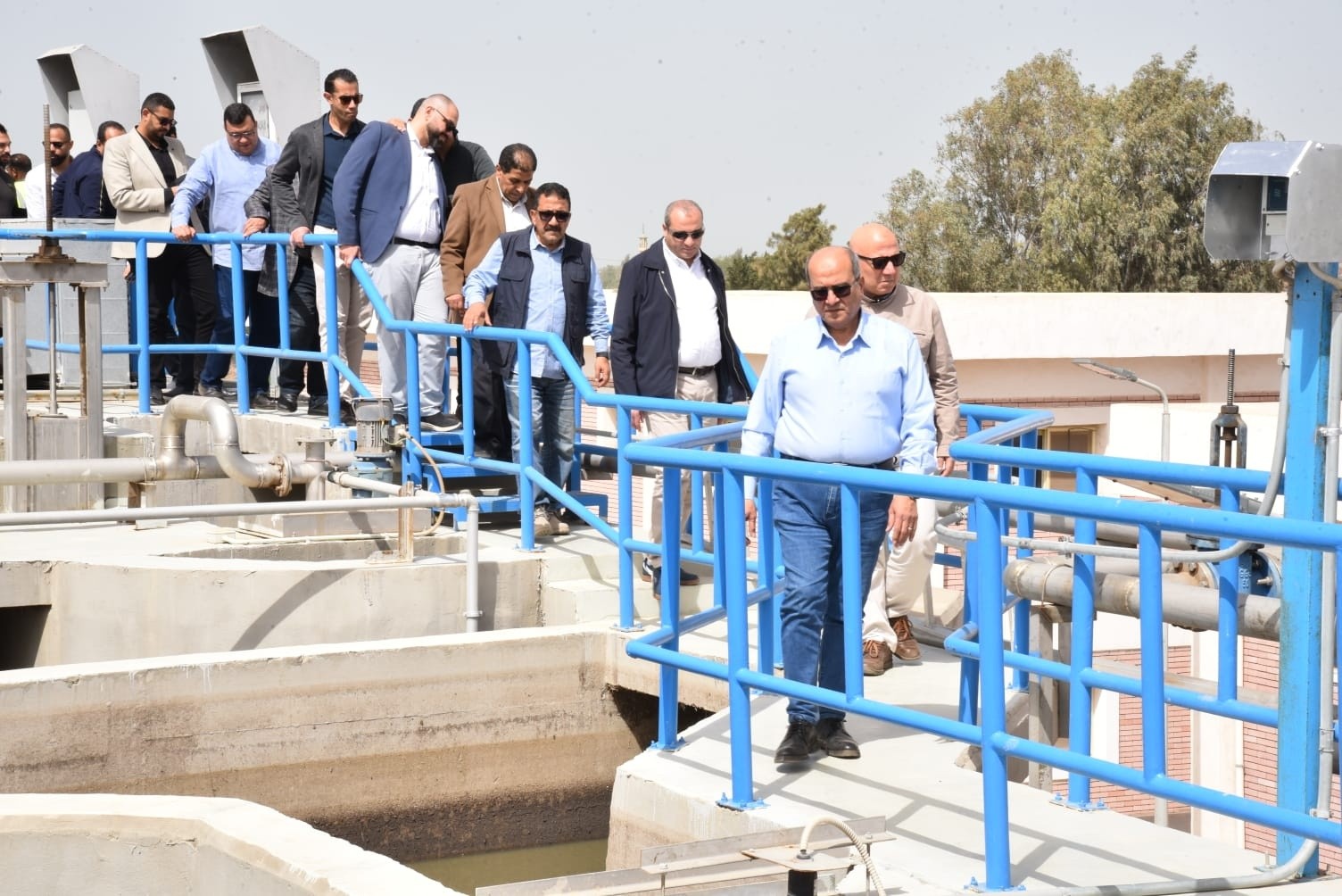
Following directives from Minister of Housing, Utilities, and Urban Communities, Eng. Randa El-Menshawy, to monitor drinking water and sanitation projects and improve operational efficiency, Eng. Ahmed Gaber Shehata, Chairman of the Holding Company for Water and Wastewater, conducted a field visit to inspect several wastewater treatment plants in Menoufia Governorate. He was accompanied by Dr. Salah Bayoumi, Vice Chairman of the Board, and Dr. Abu El-Abbas Issa, Vice Chairman of the Board.
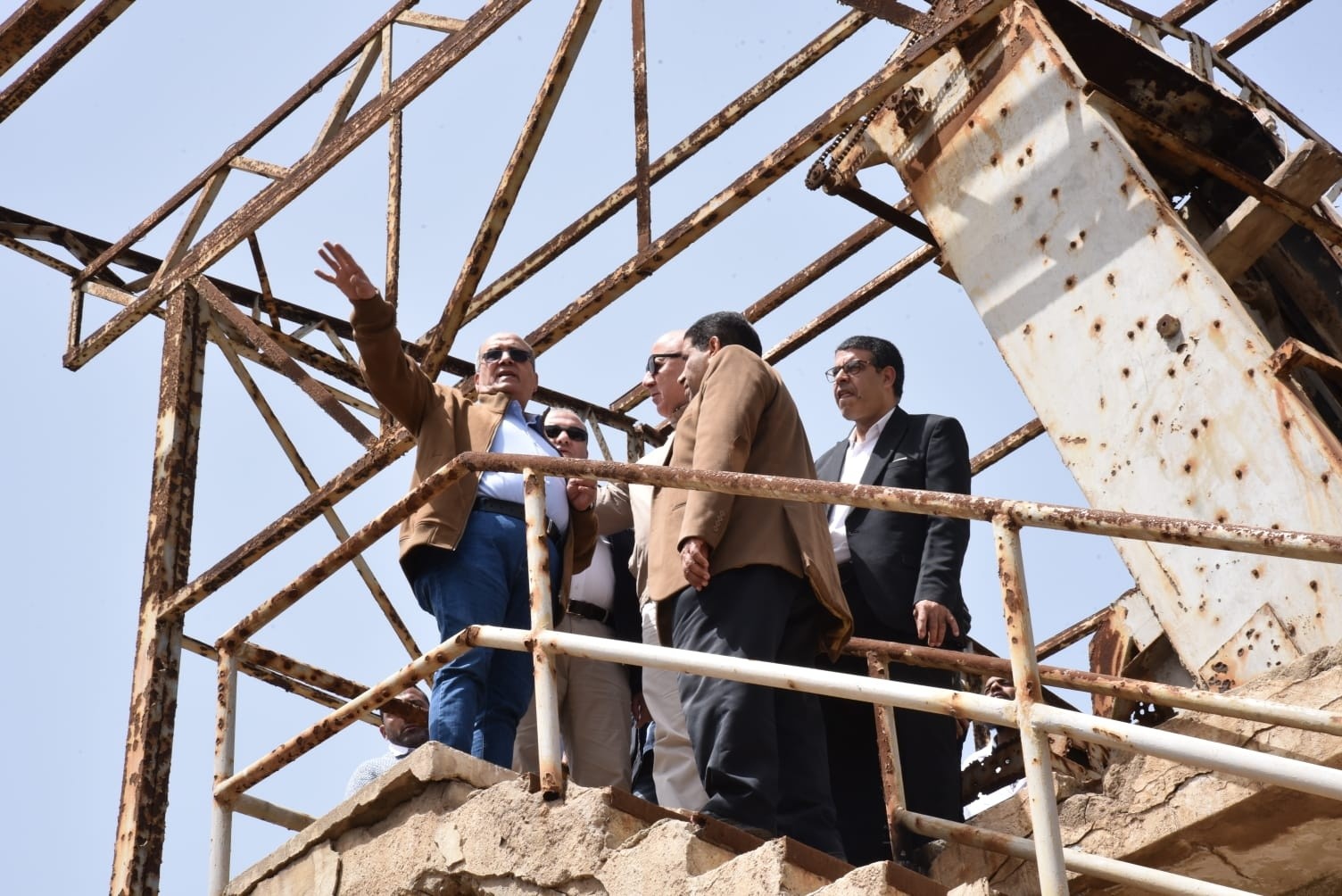
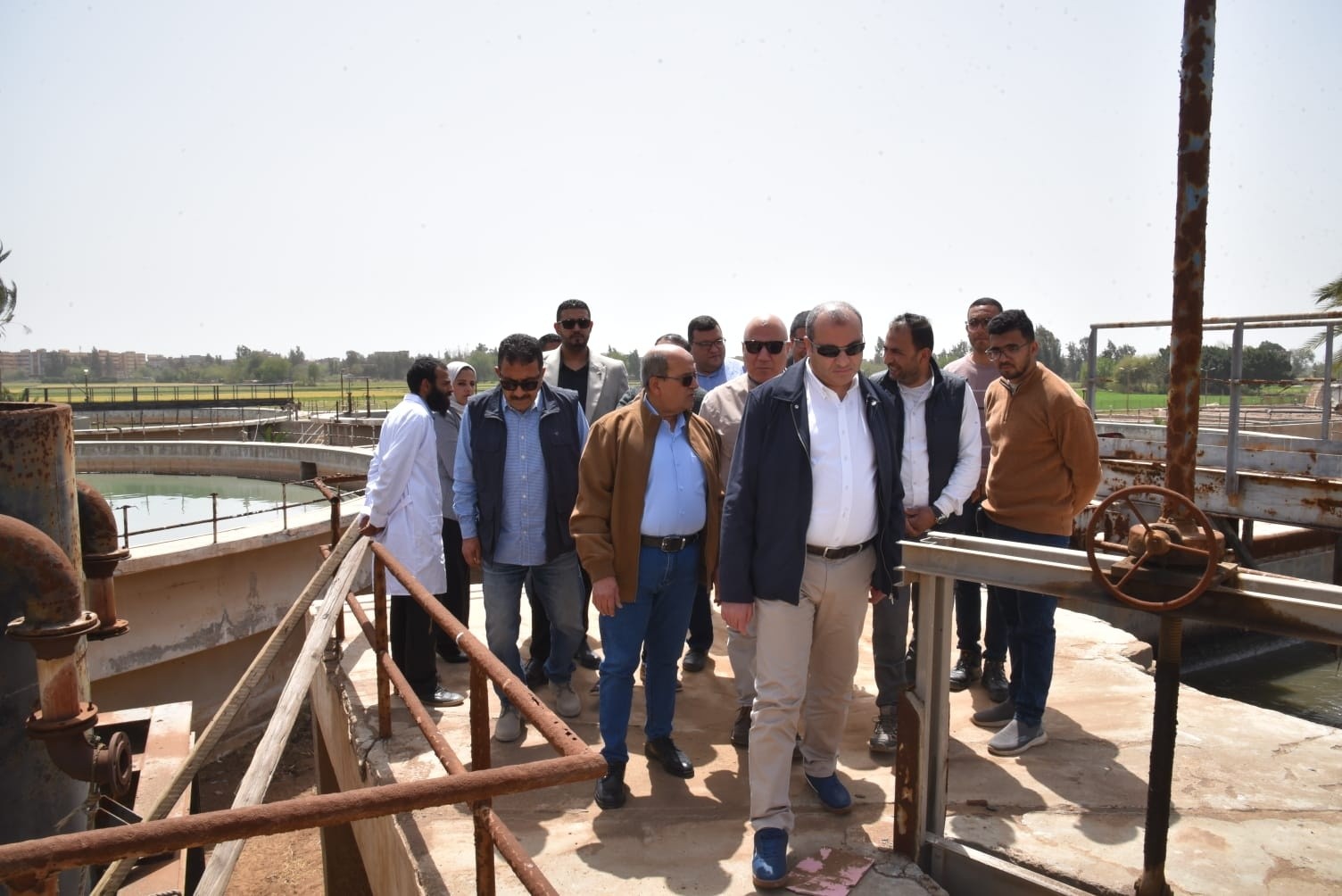
They were received by Eng. Roshdy El-Sayed Omar, Chairman of the Menoufia Water and Wastewater Company, in the presence of Eng. Mohamed Galal, Projects Consultant at the Holding Company. The tour included an inspection of the wastewater treatment plant, assessing its current operational status and technical components.
During the visit, the station's operational capabilities were reviewed. The existing station has an actual capacity of approximately 70,000 cubic meters per day, while the expansion's design capacity reaches 30,000 cubic meters per day. The station's system includes several main and secondary pumping stations, including pumps 1, 2, 4, 8, and 9 in Shibin El Kom, and 1, 2, and 3 in El May, Bakhati, Shenwan, Ezbet El Sa'ayda, Shubrabas, Mansha'at Bakhati, El Sherekin, El Masilha, and Sangarg. In addition, several other stations are connected to the network, forming an integrated system for transporting and treating wastewater in the region.
Attendees discussed several proposed technical solutions for developing the station, including preparing a comprehensive rehabilitation study by a specialized consultant and proposing alternative technical and treatment technologies that would contribute to maximizing the station's utilization while ensuring economic efficiency in implementation and operation.
Engineer Ahmed Gaber Shehata emphasized the importance of expediting the implementation of technical solutions to ensure optimal utilization of the station, while adhering to the highest standards of quality and efficiency. He stressed the need to strike a balance between enhancing operational efficiency and maximizing the economic return from existing assets.
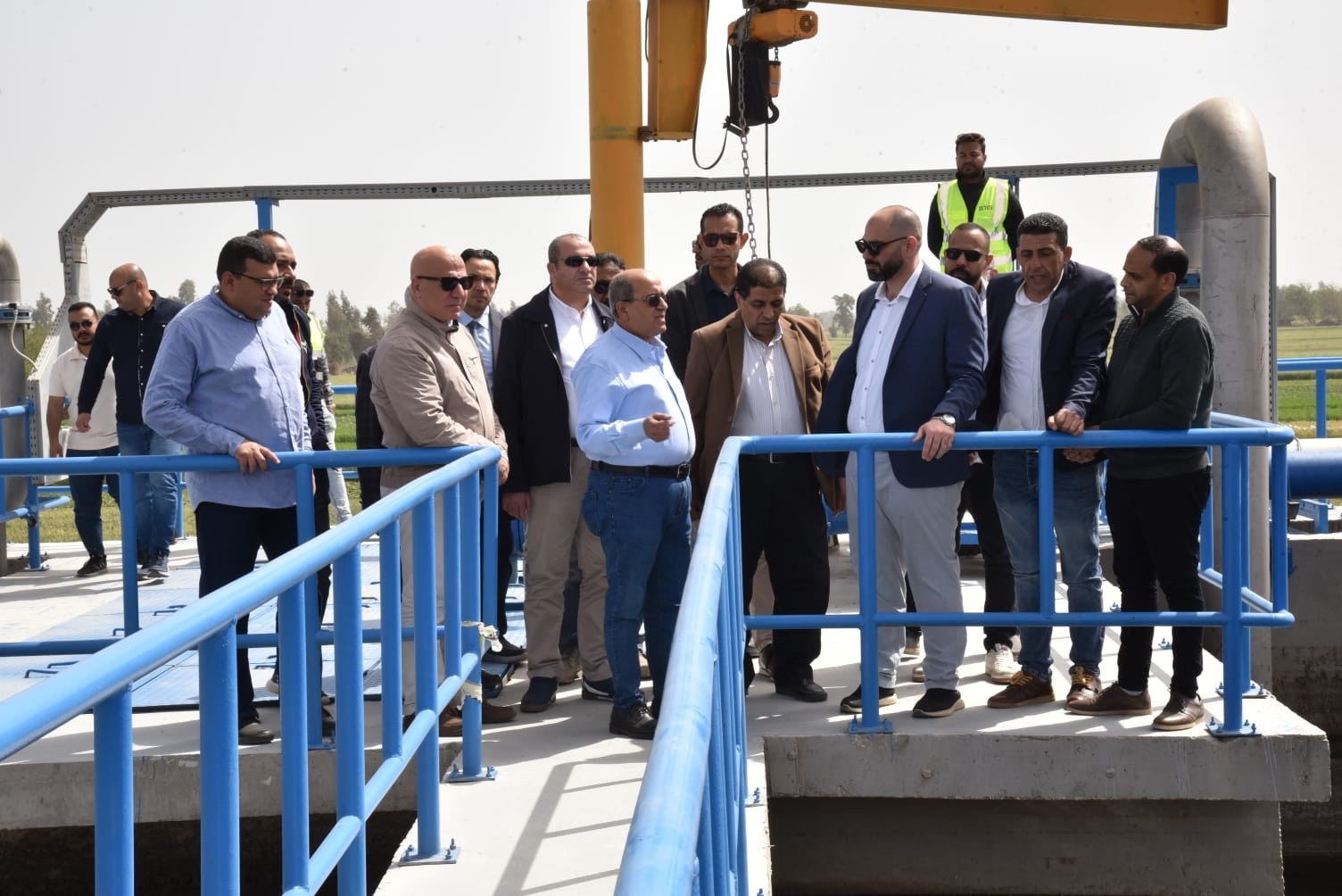
The tour also included an inspection of the Saft Gadam wastewater treatment plant, where the project's progress was reviewed. The plant, situated on 3.5 acres, has a design capacity of 4,000 cubic meters per day and utilizes an ASBR (Assisted Breeding Blast) treatment system. It serves several villages and areas, including Kafr El-Shurafa, Kafr El-Alawi, Shubra Batoush, Mit El-Karam, Gadam, and Saft Gadam, benefiting approximately 43,000 people.
In this context, the Chairman of the Holding Company emphasized the importance of strengthening cooperation with civil society organizations and local partners to support the state's efforts to deliver sanitation and water services to the most underserved areas, particularly villages and hamlets. This will be achieved through effective participatory models that ensure rapid implementation and project sustainability, while also raising public awareness about the importance of preserving the investments the state is making in this vital sector.
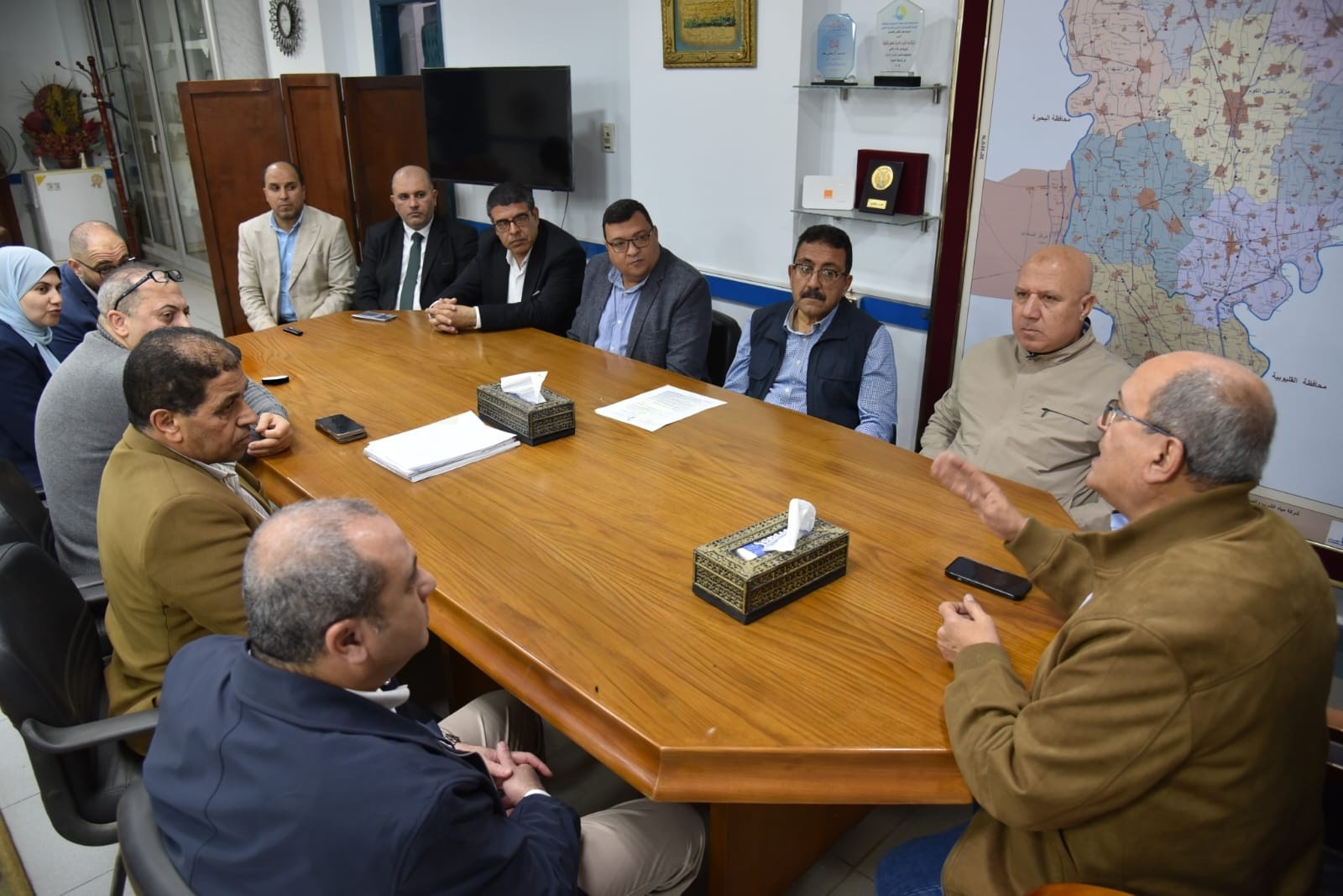
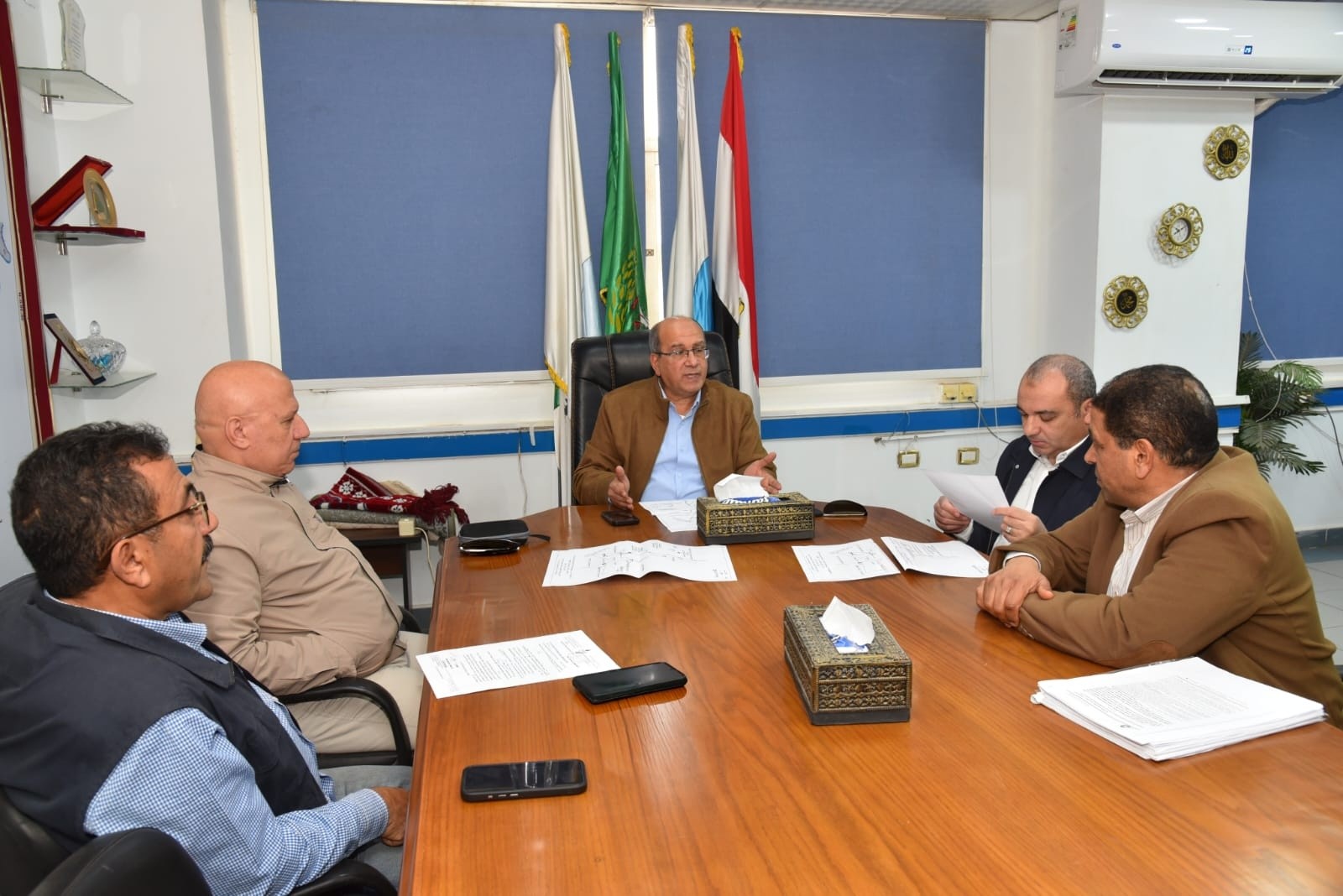
In a related matter, the Chairman of the Holding Company held an extensive meeting with the heads of the Operations and Maintenance, Technical Support, Finance, Commercial, Information Technology, Projects, Quality, and Laboratories sectors to review the operational systems of the subsidiary company and enhance performance efficiency across all sectors.
During the meeting, he stressed the need to implement the Cabinet's directives regarding rationalizing consumption and spending, and to review operation and maintenance mechanisms based on optimal operating principles that prioritize economic feasibility, with a focus on conserving electricity and improving its efficiency.
He also emphasized the importance of reviewing the metering and billing system to reflect actual consumption, promptly repairing leaks and breaks, and conducting ongoing technical reviews of operational procedures. He further stressed the need to analyze the workforce structure and optimize its utilization to achieve maximum productivity.
The Chairman of the Holding Company emphasized the necessity of reviewing the billing and collection system, working to reduce the gap between revenues and expenditures, and combating water theft and network encroachments. He also called for expanding the application of isolated metering zones (DMA/DMZ) to minimize losses and increasing the installation of prepaid meters to enhance collection efficiency.
Furthermore, he directed the activation of the training system and the expansion of training programs via digital platforms whenever possible. He also emphasized maximizing the use of treated water to support various applications and generate economic returns.
Professor Dr. Salah Bayoumi, Vice Chairman of the Board of Directors of the Holding Company, stressed the need to prioritize work in a way that serves the interests of citizens, and to direct replacement and renewal allocations to the hot spots that represent a top priority in improving the level of service, with a focus on implementing radical and sustainable solutions that contribute to the development of facilities and infrastructure. He emphasized the importance of activating the role of technical offices, and enhancing reliance on studies, hydraulic analysis and technical planning in determining implementation priorities, in order to ensure that decisions are made based on scientific foundations that support operational efficiency and improve the quality of services provided to citizens.
Professor Dr. Abu Al-Abbas Issa, Vice Chairman of the Board of Directors of the Holding Company, also stressed the importance of intensifying continuous field monitoring of all work sites, and the actual presence of operations leaders among the work teams, which contributes to quickly detecting any challenges and dealing with them immediately, stressing the need to raise the efficiency of operation and maintenance by adhering to the approved time programs, maximizing the use of available capabilities, while enhancing coordination between the various technical sectors, in order to achieve the stability of the work system and ensure the provision of high-quality services to citizens.
At the conclusion of the tour, Engineer Ahmed Gaber emphasized that drinking water quality is a top priority, stressing that preserving water resources is a shared responsibility and that every drop of water is valuable and must be conserved to ensure the sustainability of services and improve performance levels for citizens.
This tour comes as part of the Holding Company's commitment to providing direct technical support and on-site monitoring of its subsidiaries, contributing to enhancing infrastructure efficiency and improving the quality of drinking water and sanitation services.